July 7, 2026
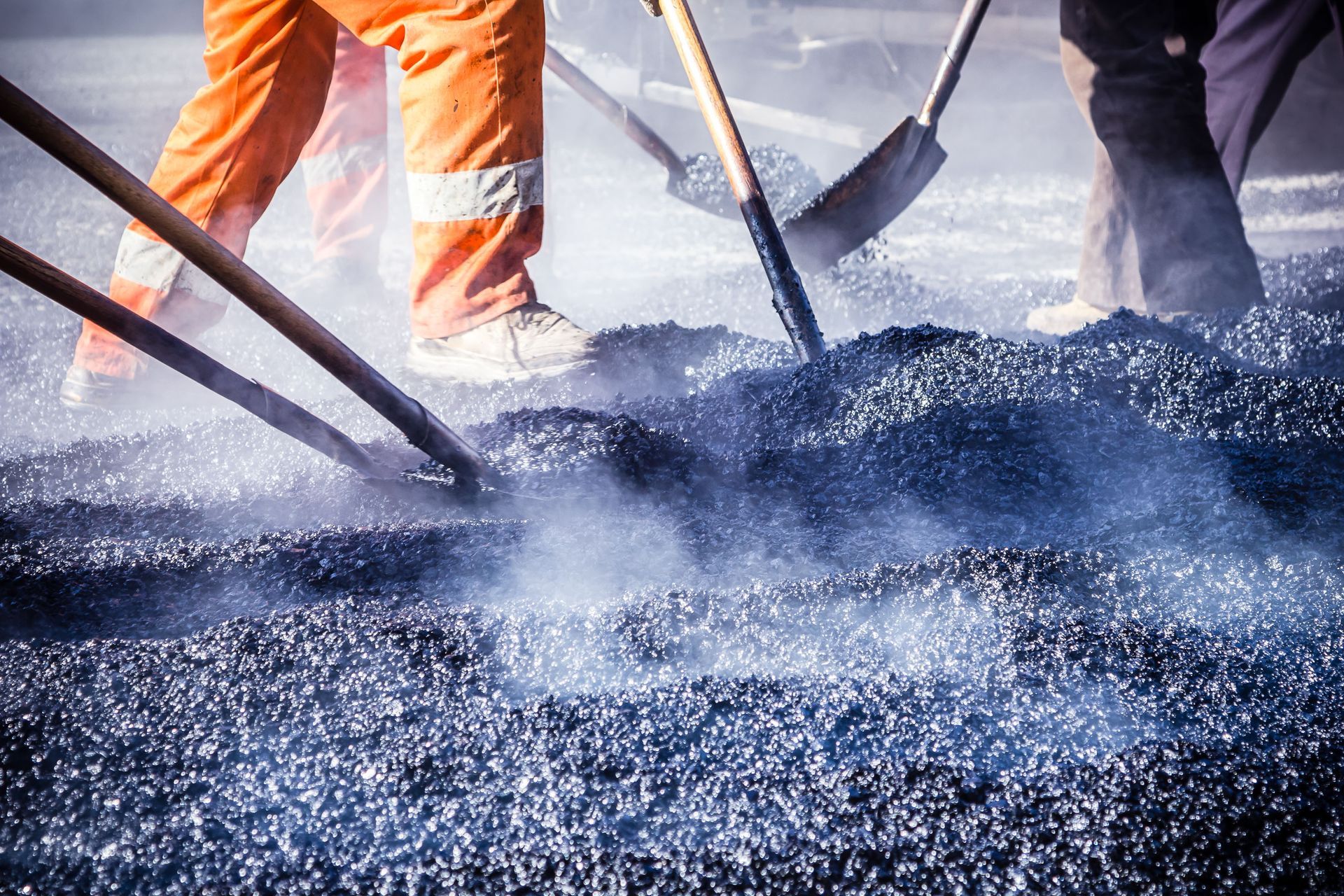
Asphalt has maintained its status as the premier paving medium due to its numerous advantages that make it a preferred choice for city planners, engineers, and environmentalists alike. This remarkable material wins in terms of economic viability, environmental benefits, and practical applicability across various environments. The widespread use of asphalt is not only an economic decision but also a choice for safety and longevity. Here we will explore the reasons behind the enduring popularity of asphalt as a paving medium and why choosing the right asphalt company makes all the difference.
The Cost-Effectiveness of Asphalt
Low Maintenance Costs
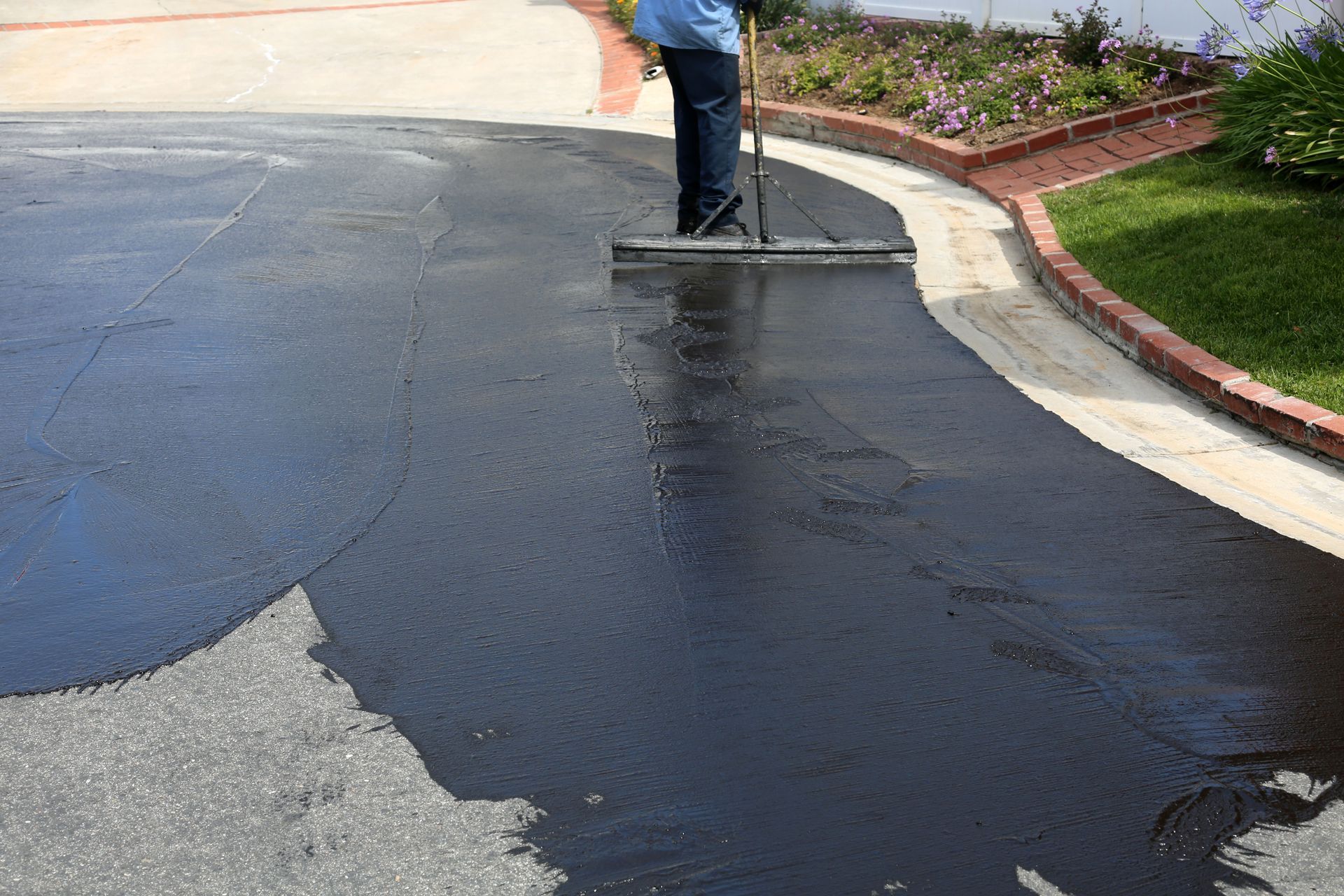
One of the standout features of asphalt is its low maintenance requirement, which translates to long-term cost savings. Routine maintenance tasks, such as seal coating and crack filling, are relatively inexpensive and prevent further deterioration. Asphalt surfaces can be removed and replaced efficiently by a professional asphalt company, reducing the need for extensive repairs. These maintenance practices not only enhance the lifespan of asphalt surfaces but also ensure that safety and aesthetics remain uncompromised. A well-maintained asphalt pavement can last for decades, providing significant value over its lifecycle.
Extended Longevity and Durability
Asphalt is renowned for its durability, capable of withstanding various environmental stressors such as heavy traffic and temperature fluctuations. Its flexibility enables it to resist cracking and other forms of degradation, enhancing the lifespan of paved surfaces. This durability means fewer replacements are necessary, further confirming the cost-effectiveness of asphalt. Through regular maintenance, asphalt pavements can be effectively preserved, thereby extending their operational life. As a result, asphalt remains a top choice for long-lasting, resilient paving solutions.
Lower Costs Versus Alternative Materials
When compared to other paving materials such as concrete, asphalt presents a more cost-effective option in terms of both initial installation and long-term maintenance. While concrete may offer certain benefits, the comparatively higher costs make it less accessible for large-scale use in public infrastructure projects. Asphalt provides a balance between performance, durability, and cost-effectiveness, ensuring that it meets budgetary demands without compromising quality. As a result, according to the Asphalt Paving Alliance, an estimated 94% of the 2.6 million miles of all the paved roads in the United States are paved with asphalt, highlighting its dominance in the paving industry. By offering a durable and economical paving solution, asphalt continues to be the material of choice.
Environmental Benefits of Asphalt
Recycling and Sustainability
Asphalt offers significant environmental advantages largely due to its unparalleled recyclability. The process of recycling asphalt allows it to be repurposed without losing its structural capabilities, thus minimizing the need for new raw materials. This sustainable approach reduces waste in landfills and decreases the demand for energy-intensive production processes. The recycling of asphalt also results in fewer emissions and less resource depletion, aligning with global sustainability goals. By leveraging extensive recycling practices, asphalt paving minimizes environmental impacts while maintaining high-performance standards.
Reducing Urban Heat Islands
Urban heat islands, which can increase city temperatures drastically, pose environmental challenges. Asphalt, particularly with innovations such as cool pavements, plays a role in mitigating these effects. These technological advancements help by reflecting solar energy and enhancing the surrounding microclimate. This eco-friendly attribute not only aids in combating climate change but also improves urban living conditions. By contributing to temperature regulation, asphalt helps cities strive toward creating more balanced and sustainable ecosystems.
Using Resources Efficiently
The production and application processes of asphalt are designed to make efficient use of available resources. By utilizing materials that might otherwise be considered waste, a forward-thinking asphalt company promotes a circular economy. This efficiency extends to the energy requirements of light-emitting materials, reducing overall resource consumption. Moreover, many asphalt mix designs are optimized to achieve desired performance while using fewer raw materials.
Draining and Safe Water Runoff
Asphalt paving projects often incorporate systems that enhance water runoff management and drainage. Pervious asphalt is specially designed to allow water to pass through, reducing surface runoff and improving groundwater recharge. Such features decrease the risk of flooding and help in maintaining ecological balance. These innovative drainage solutions support infrastructure resilience by preventing water accumulation and damage. Effective water management through asphalt surfaces is an added advantage for urban areas prone to heavy rainfall.
Practical Applications in Various Environments
Highways and Major Roads
The durability and smoothness of asphalt make it ideal for highways and major roads that demand consistent performance. Asphalt allows for rapid construction, minimizing traffic disruptions and ensuring swift project completion. Its resilience under heavy traffic loads is a significant advantage for major thoroughfares. Asphalt's skid resistance also plays a crucial role in enhancing safety for high-speed vehicle environments. These advantages demonstrate why asphalt continues to dominate highway and road infrastructure globally.
Residential and Urban Areas
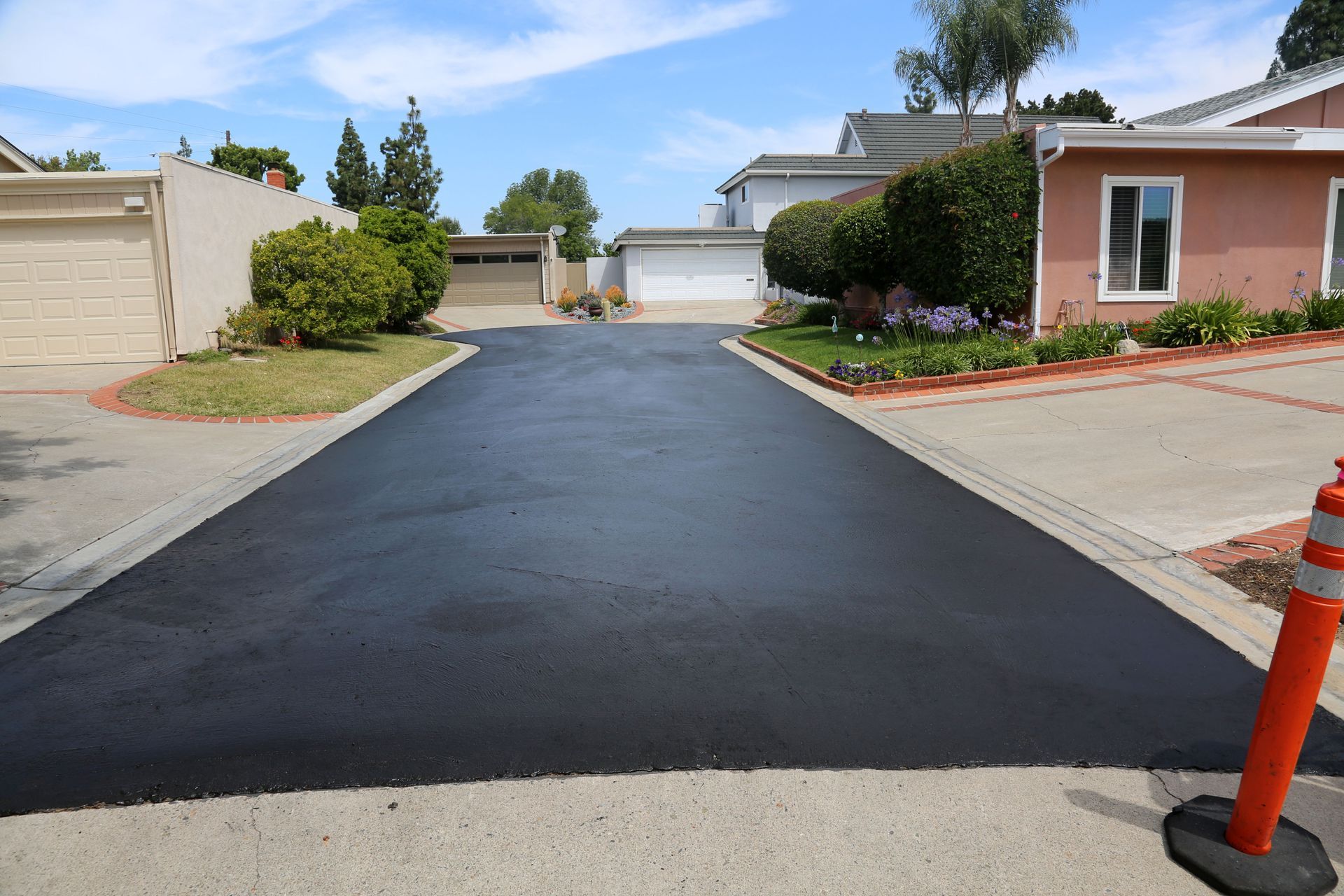
In residential and urban areas, asphalt provides practical solutions for paving needs due to its versatility and ease of repair. Asphalt roads and walkways enhance neighborhood aesthetic appeal while ensuring safe and smooth transportation. Quick repair times delivered by a local asphalt company mean less inconvenience for residents and city service scheduling. Asphalt's capability to absorb sound also contributes to quieter urban environments, making it a preferred choice for communities. Its practical benefits effectively address the demands of bustling city environments.
Commercial and Industrial Properties
Asphalt's flexibility and strength make it particularly suitable for commercial and industrial properties that require robust surfaces. These properties often involve heavy machinery and traffic loads that necessitate reliable paving. Asphalt can be tailored by an experienced asphalt company to withstand the specific conditions of industrial use, providing a custom solution for various sectors. Furthermore, its rapid installation and repair features permit minimal downtime for commercial operations. This adaptability renders asphalt an integral component of industrial facilities across the world.
Airport Runways and Taxiways
Airport infrastructure depends on long-lasting, high-performance paving solutions, making asphalt an ideal choice for runways and taxiways. The ability to quickly resurface and repair asphalt allows airports to maintain operational efficiency and safety. Asphalt provides smooth, level surfaces essential for safe aircraft operations during takeoffs and landings. The material's noise-reduction properties also contribute to minimizing the surrounding areas' noise pollution. These features highlight asphalt's role as a vital element in aviation infrastructure development.
Asphalt's Contribution to Road Safety
Smooth Surface for Better Traction
One of asphalt's key safety benefits is its ability to provide a smooth surface, which significantly improves traction for vehicles. This characteristic is particularly important during adverse weather conditions, where slip resistance becomes vital. By offering excellent grip, asphalt reduces the likelihood of accidents due to skidding or hydroplaning. Asphalt's surface consistency enhances driver control, contributing to safer road conditions. The superior traction offered by asphalt is a primary factor in its continued preference for road infrastructure.
Clear Markings and Road Signage
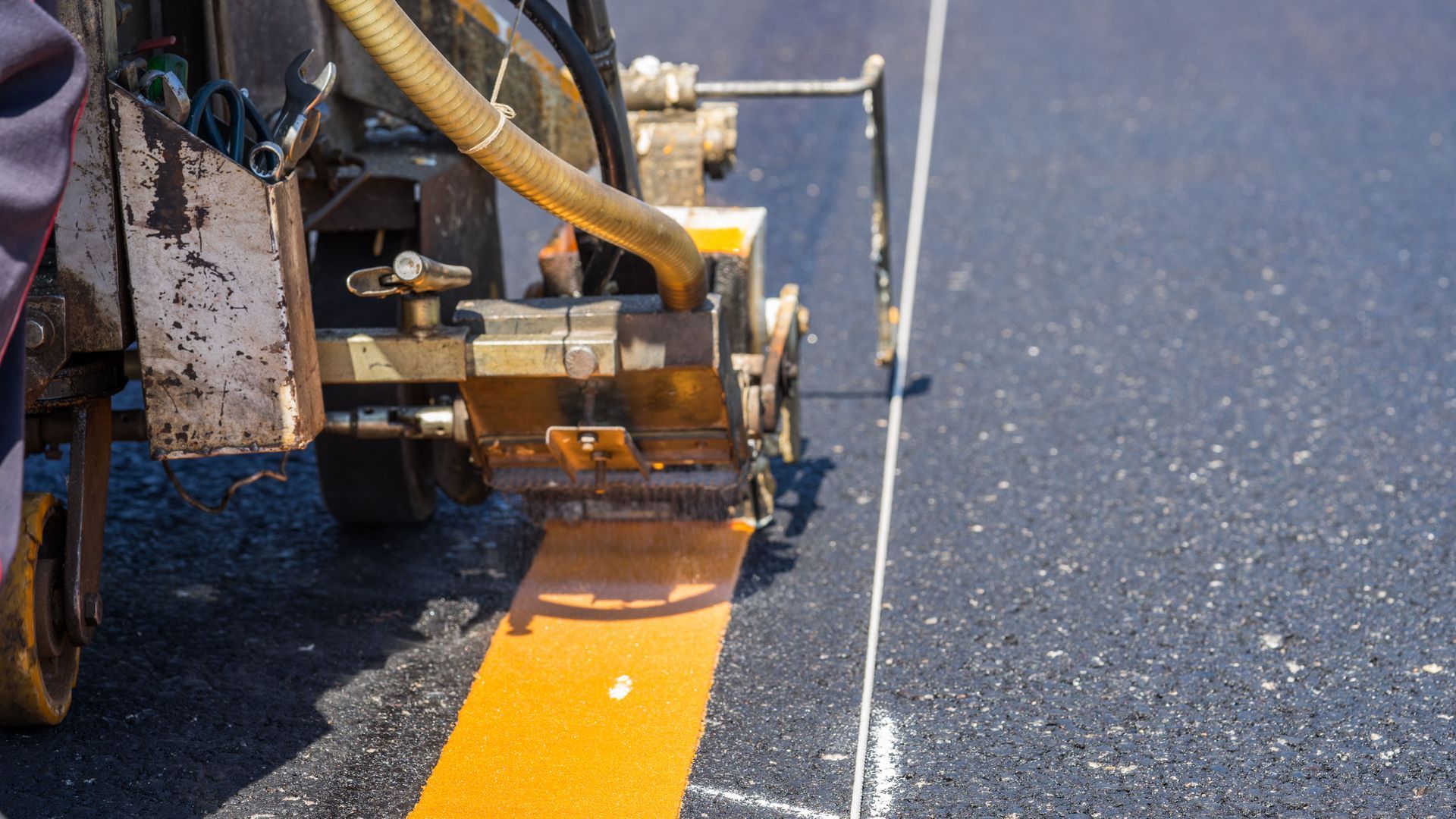
Asphalt provides an excellent canvas for road markings and signage, which are crucial for safe navigation. High-contrast markings are easily visible on asphalt surfaces, ensuring that lanes, crossings, and signals are clear to drivers. This clarity helps in decreasing potential confusion and misinterpretation while driving. Well-maintained markings alert drivers to changes and transitions, supporting smooth and efficient traffic flow. Asphalt's compatibility with reflective materials further augments visibility, underpinning its contribution to roadway safety.
Quick Repair and Pothole Fixing
Asphalt's quick-setting properties facilitate efficient repair and maintenance of road surfaces, crucial for safety and performance. Potholes and surface damage can quickly be addressed long before they pose significant risks to vehicles. This capability allows a qualified asphalt company to make targeted interventions, reducing traffic disruptions and preventing the escalation of issues. Timely pothole repairs ensure that drivers experience stable and secure road conditions. However, asphalt's rapid repair capabilities ensure consistent and reliable infrastructure, even under high-use conditions.
Asphalt’s position as the world's premier paving medium is not a matter of coincidence but a result of its unmatched versatility and performance. By partnering with a dependable asphalt company to successfully balance low life-cycle costs with exceptional durability, project managers can secure a highly economical framework for both public infrastructure and private developments. As technology continues to evolve, asphalt proves that it is not just a material of the past but a resilient, adaptable solution uniquely engineered to pave the way forward. To learn more about the materials available or roads or to schedule an asphalt service, reach out to the pros over at Asphalt Industries today.