April 7, 2026
Maintaining a commercial or residential pavement surface requires a proactive approach to prevent the natural degradation caused by oxidation and heavy traffic. Without a strategic preservation plan, even the highest quality surfaces can fall victim to structural failure and costly replacements. Professional maintenance helps keep pavement safe, functional, and visually appealing for several decades.
Applying Professional Grade Sealcoating
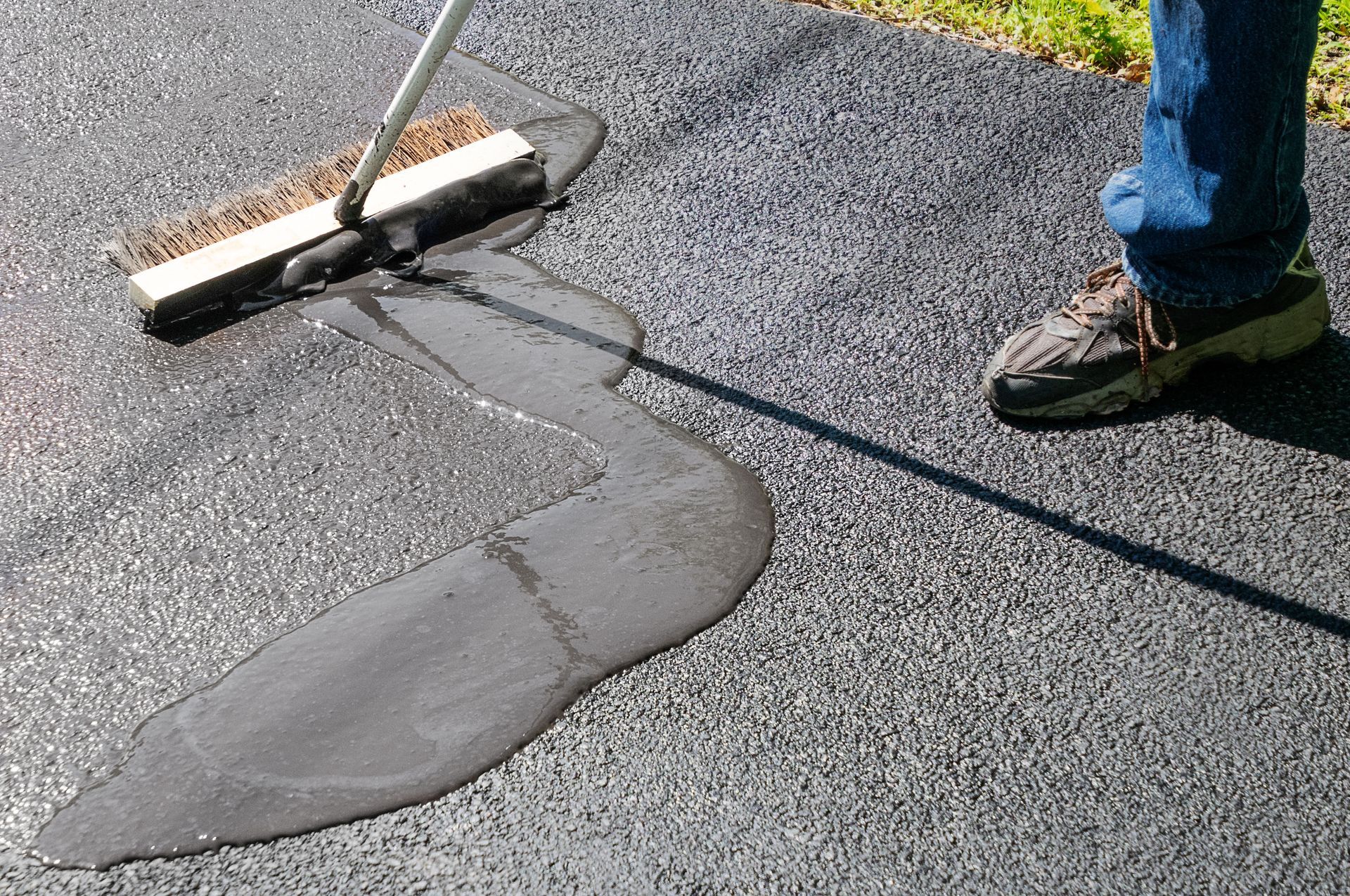
Sealcoating acts as a sacrificial barrier that shields the pavement from the harsh effects of ultraviolet rays and chemical spills. When asphalt is exposed to the sun, the liquid binder begins to oxidize, turning the surface from a deep black to a brittle gray. This process leads to surface raveling and the formation of fine cracks that allow water to penetrate the subbase. A professional asphalt paving company applies high-grade sealants to lock in the essential oils of the binder and maintain the flexibility of the structure.
The application process requires precise atmospheric conditions and specialized spray or squeegee equipment to produce a uniform layer. If the sealant is applied too thickly, it can peel; if it is too thin, it provides inadequate protection. Industry experts monitor humidity levels and surface temperatures to guarantee the coating bonds correctly to the existing pavement. This technical oversight is what distinguishes a long-lasting professional application from a temporary surface fix.
Beyond protection, sealcoating significantly enhances the aesthetic value of a property by providing a fresh, slate black finish. This visual appeal is essential for commercial properties looking to make a positive first impression on clients and tenants. According to IBISWorld, there are 529 businesses in the asphalt manufacturing industry in the United States, providing the specialized materials needed for these maintenance tasks. Relying on an experienced asphalt paving company helps verify that these materials are used efficiently to maximize the lifespan of the driving surface.
Sealing Cracks With Advanced Techniques
Cracks are the primary entry point for water, which is the leading cause of pavement failure in temperate climates. When water reaches the aggregate base, it weakens the foundation, leading to depressions and eventual potholes. Professional crack sealing involves cleaning the fissures with high-pressure air or heat lances to remove debris and moisture before applying a specialized sealant. This process creates a flexible, watertight bond that expands and contracts with changing temperatures.
There is a significant difference between standard crack filling and technical crack sealing performed by specialists. Sealing typically uses a hot-applied polymer-modified asphalt that remains elastic even in freezing conditions, preventing the sealant from popping out during the winter. This method is particularly effective for working cracks that are subject to frequent movement. An asphalt paving company utilizes industrial melting kettles to maintain the material at the precise temperature required for deep penetration and maximum adhesion.
Addressing these minor fractures early is the most cost-effective way to avoid total pavement reconstruction. By stopping the migration of water into the subgrade, property managers can preserve the structural integrity of the entire lot. Regular inspections by professionals help identify these vulnerabilities before they expand into wider gaps or alligator cracking patterns. This proactive intervention is a cornerstone of any comprehensive pavement management program designed to protect a major capital investment.
Repairing Potholes and Surface Damage
Potholes represent a significant safety hazard and a liability risk for property owners, as they can cause vehicle damage or pedestrian injuries. These voids form when the underlying soil is washed away or shifted, leaving the surface layer unsupported. Professional repair involves more than just dumping material into a hole; it requires removing the damaged area and stabilizing the base. Cutting out a neat square around the defect helps make the new patch have solid, vertical edges to bond against.
Infrared patching is a modern technique used by a premier asphalt paving company to create a seamless, thermal bond between the old and new material. This process uses infrared rays to heat the surrounding pavement to a workable state, allowing the new asphalt to fuse directly with the existing surface. This eliminates the cold joint that often leads to future failures in traditional patching methods. The result is a smooth, durable repair that prevents water from seeping back into the previously damaged area.
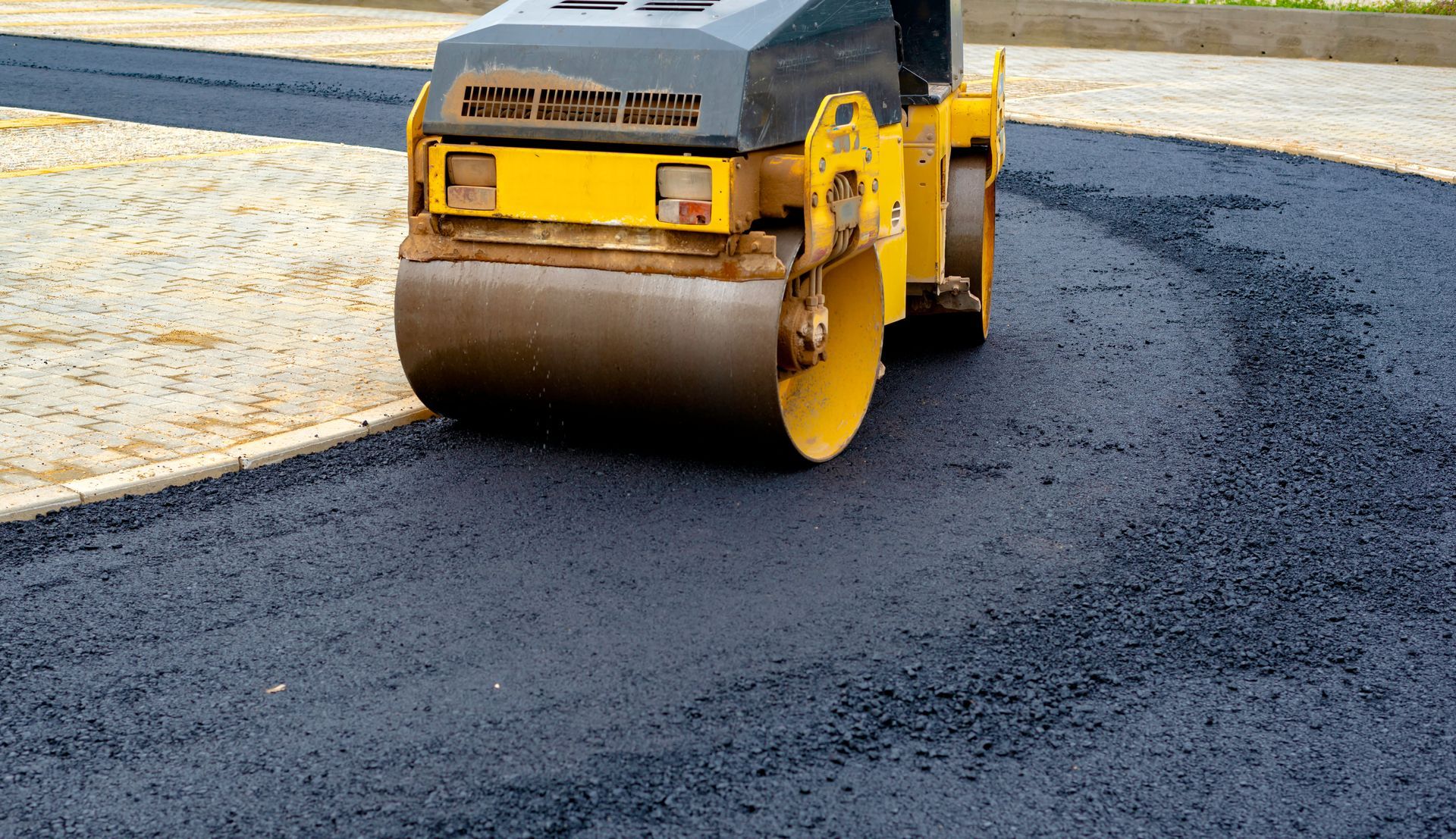
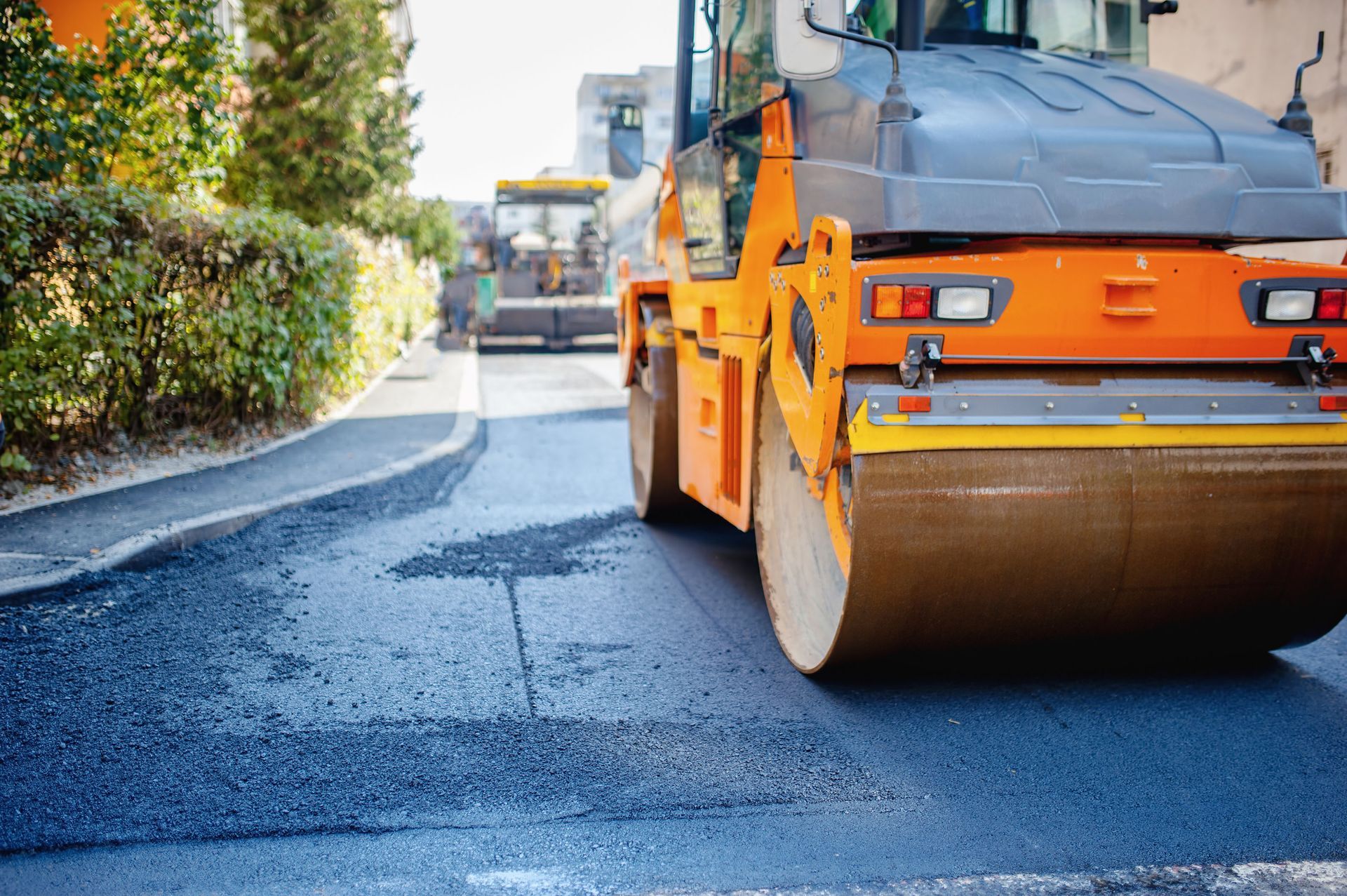
In cases of deep structural failure, full-depth reclamation or dig-out patching may be necessary to restore the site. This involves excavating the failed subbase and replacing it with fresh, compacted aggregate before laying the new surface course. This intensive process addresses the root cause of the failure rather than just masking the symptom. Engaging a professional crew helps verify that the compaction levels meet engineering standards, preventing the new patch from sinking or shifting under the weight of heavy traffic.
Managing Comprehensive Property Drainage
Water management is perhaps the most critical factor in the longevity of any asphalt surface. If water is allowed to pond on the surface or saturate the edges of the pavement, the liquid binder will eventually strip away from the aggregate. Professionals evaluate the slope and grade of the lot to help verify that runoff is directed toward catch basins and drainage swales. An asphalt paving company can identify birdbaths or low spots that indicate a failure in the original grading and recommend corrective leveling procedures.
Catch basin repair is another vital component of drainage maintenance that often goes overlooked. Over time, the concrete collars surrounding these drains can crack or sink, allowing water to bypass the pipe and erode the surrounding asphalt. Professional masonry and asphalt crews work together to reset these structures and seal the transitions to keep the drainage system functioning correctly. Maintaining these subterranean assets prevents the saturation of the subgrade and protects the perimeter of the parking area.
Regular cleaning of gutters and drainage pipes helps verify that heavy rainstorms do not lead to localized flooding on the pavement. When drains are blocked, water backs up and sits on the asphalt, accelerating the breakdown of the binder through a process known as hydraulic pressure. By integrating drainage inspections into a yearly maintenance schedule, property managers can avoid the rapid deterioration associated with standing water.
Improving Navigational Safety and Striping
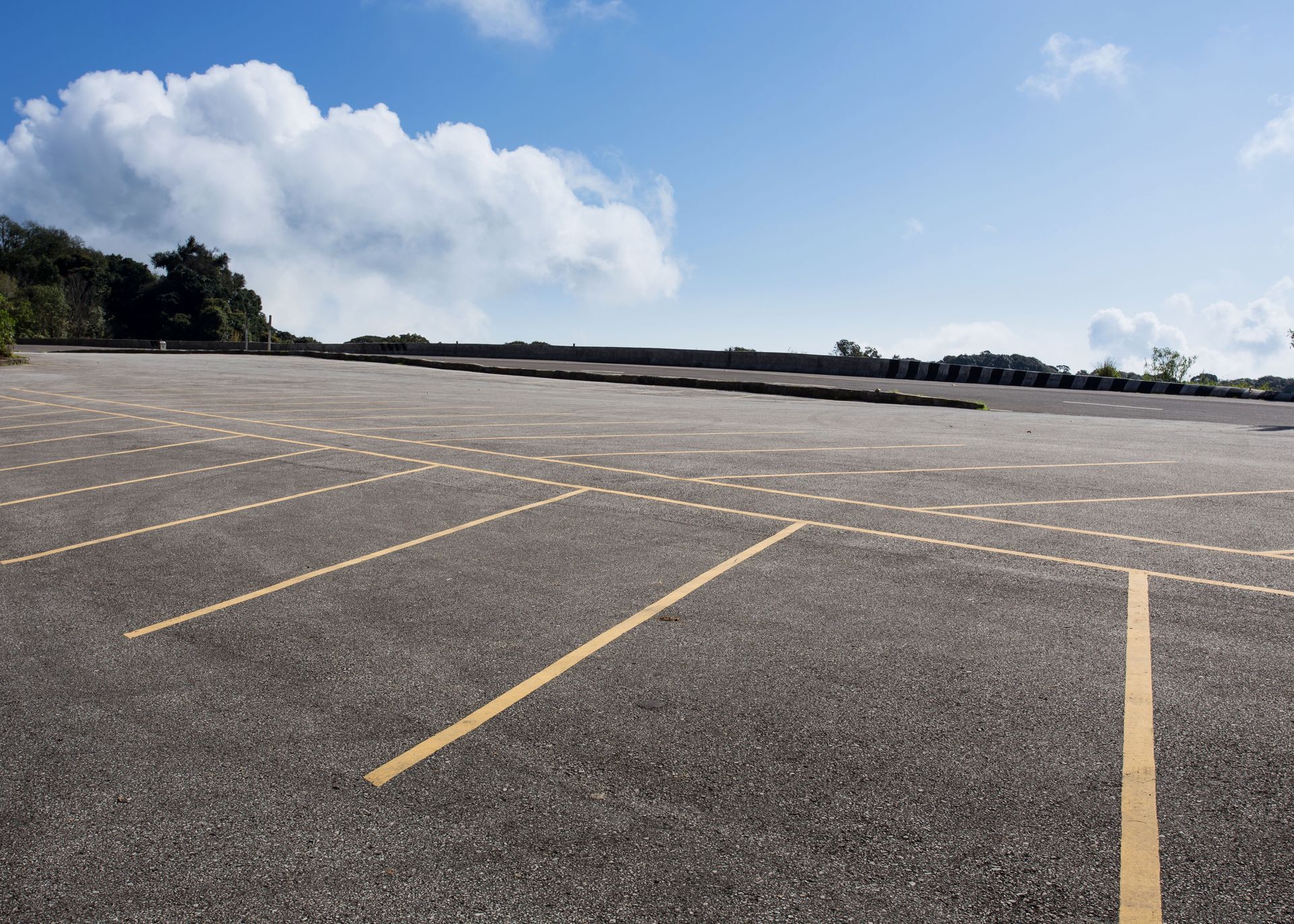
A well-maintained parking lot must be organized and easy to navigate to prevent accidents and optimize space. Over time, traffic and weather cause painted lines to fade, making it difficult for drivers to identify stalls, crosswalks, and fire lanes. A professional asphalt paving company uses high-durability, traffic-grade paints that are specifically formulated to bond with freshly sealcoated or aged asphalt. These markings provide the high contrast necessary for safety during nighttime or inclement weather.
Compliance with the Americans with Disabilities Act (ADA) is a legal requirement that property owners must take seriously during any maintenance cycle. This includes specific requirements for the number of accessible spaces, their dimensions, and the presence of properly painted symbols and van accessible aisles. Professionals are well-versed in these federal and local regulations, helping verify that the property remains compliant and accessible to all visitors.
Clear signage and markings also improve the flow of traffic, reducing the likelihood of fender benders and congestion near entrances. From directional arrows to No Parking zones, these visual cues are essential for maintaining order in high-traffic commercial environments. Refreshing these lines is often the final step in a comprehensive maintenance project, providing a finished look that signals a high standard of property management.
A comprehensive approach to asphalt maintenance is the only way to support the longevity and safety of a pavement surface. By investing in sealcoating, crack sealing, and proper drainage, owners can avoid the massive costs of premature replacement. Partnering with an experienced asphalt paving company helps verify that these essential services are performed with precision. Contact Asphalt Industries today to schedule a professional consultation and discover how a customized maintenance plan can extend the life of your pavement.